Odor Removal and Deodorization in Texas
Removing smoke, mildew, sewage and water damage odors at the source.
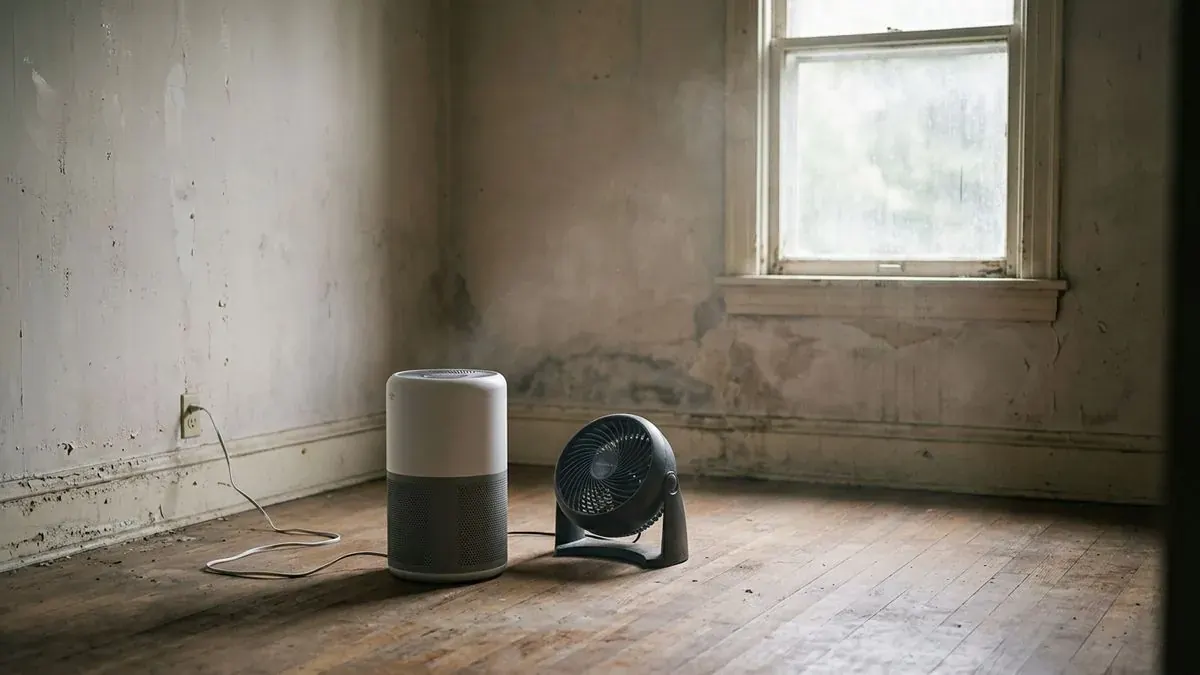
Illustration of a typical loss, not a photo of a real job.
Odor Removal and Deodorization: What You Need to Know
Odors after water damage come from mildew, bacteria and wet organic materials. Odors after a fire come from smoke particles in porous materials. Odors after sewage come from bacteria and waste.
Methods include source removal, cleaning, air scrubbing, thermal fogging, hydroxyl generators and ozone where safe and appropriate. A crew chooses the method by source and by who will occupy the building. Ozone is not safe around people, pets and plants during treatment.
This page covers one part of our our Texas water damage restoration service service. If you are not sure it is the right fit, the homepage explains how the whole process works from first call to final readings.
Signs You May Need This Service
- A musty smell that returns
- A burnt or smoky smell
- A rotten egg or sewer smell
- Odor from vents or after the AC starts
- Smell concentrated in one room
Mistakes That Make It Worse
- Spraying perfume or air freshener
- Painting over an odor source
- Running ozone with people home
- Ignoring hidden moisture
What Happens, Step by Step
- Find the source with a moisture and visual inspection
- Remove contaminated materials
- Clean surfaces and dry the structure
- Treat air and porous materials with the right method
- Ventilate and recheck
- Confirm the odor is gone with time
How This Varies Across Texas
Humid regions such as the Gulf Coast, East Texas and the Valley are prone to musty odors. Industrial corridors and refineries can add outside odors that enter through leaky buildings.
What Affects the Cost
Cost depends on the source, the size of the area and the method. Removing the source costs more than a fogger but works.
We do not quote prices for the independent company. Read what changes the price.
Where This Service Is Requested Most
Help is available across Texas. These city guides explain the local causes and ZIP codes:
Not on the list? See all Texas service areas or check your ZIP code.
Related Services
Mold Inspection and Testing
Moisture mapping, sampling and a written plan before any removal.
Learn more →Fire, Smoke and Soot Damage Restoration
Cleanup after fire, smoke, soot and the water used to put the fire out.
Learn more →Attic and HVAC Mold Removal
Mold in attics, air handlers, ducts and the spaces around them.
Learn more →Odor Removal and Deodorization Questions
Why Does My House Still Smell After Cleanup?
Hidden moisture or porous materials may still hold odor.
Is Ozone Safe?
Not around people and pets during treatment. Crews follow safety procedures.
Can Odors Come from the AC?
Yes, from wet insulation, mold in ducts or a clogged drain.
How Long Does It Take?
Hours to days depending on the source.
Who does the work: Water Damage Restoration Texas is an independent connection service and is not the contractor. The independent company that arrives sets its own pricing, licenses, insurance and terms and does the work. See our referral disclosure.
Water Damage Right Now?
Call and give your ZIP code, what happened and whether water is still flowing. We connect you with an independent local company that covers your area.
Where to Verify What You Read Here
Our guides are written for Texas conditions, and they point to public sources so you can check the basics yourself. These sites are independent of us.
- IICRC. The standards body behind the S500 water damage restoration standard.
- Texas Department of Insurance. Consumer help with homeowners claims and complaints in Texas.
- U.S. Environmental Protection Agency: Mold. Federal guidance on mold, moisture and cleanup in the home.