Crawl Space and Pier and Beam Water Damage in Texas
Standing water, wet insulation and moisture under older pier and beam homes.
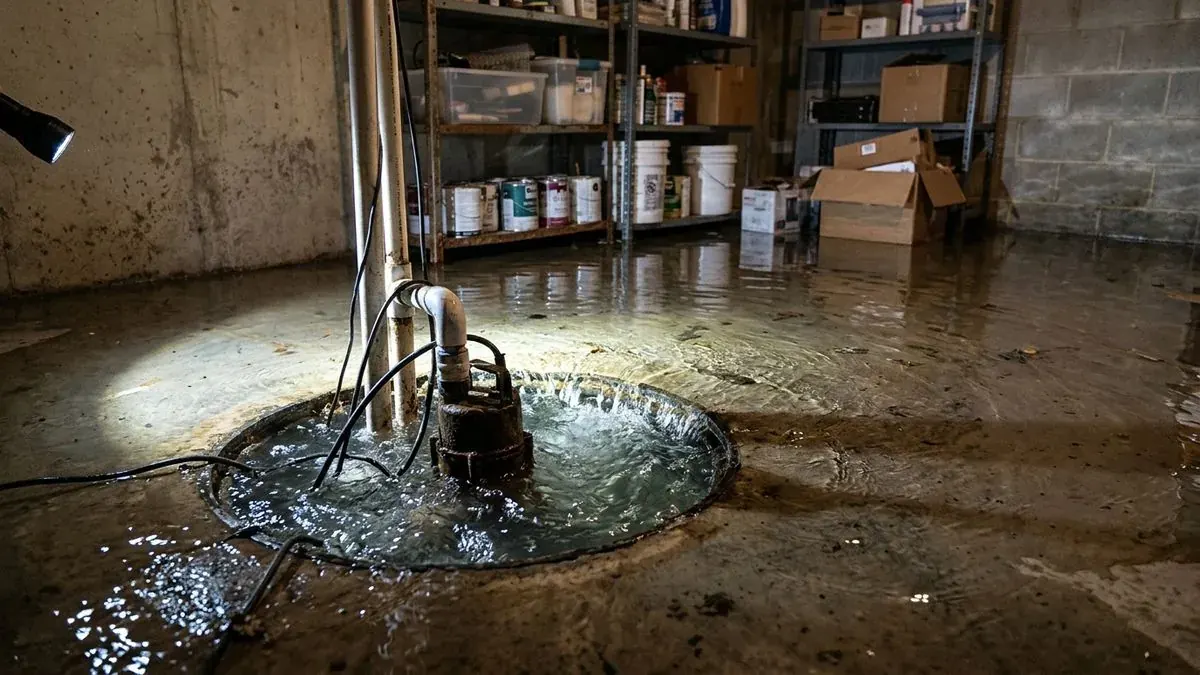
Illustration of a typical loss, not a photo of a real job.
Crawl Space and Pier and Beam Water Damage: What You Need to Know
Many older homes across Dallas, Houston, Waco and East Texas towns are built on pier and beam foundations. Plumbing runs under the floor, so a leak under the house can go unnoticed. Heavy rain can also pour water into the crawl space.
The work includes pumping, removing wet insulation, drying the space with air movers and dehumidifiers, and checking for mold and rot on joists and subfloor. Fixing the cause matters: drainage, grading, a failed line or a missing vapor barrier.
This page covers one part of our professional water damage restoration in Texas service. If you are not sure it is the right fit, the homepage explains how the whole process works from first call to final readings.
Signs You May Need This Service
- Floors that feel soft or bouncy
- Musty smell in a pier and beam home
- Visible standing water in the crawl space
- Sagging insulation under the floor
- Doors that stick after rain
Mistakes That Make It Worse
- Ignoring a crawl space after a heavy rain
- Leaving wet insulation up
- Adding fans without fixing the source
- Skipping a check of joists for rot
What Happens, Step by Step
- Locate and stop the water source
- Pump out standing water
- Remove wet insulation and debris
- Dry with air movers and dehumidifiers
- Treat or remove mold affected framing as needed
- Improve drainage and vapor barrier to prevent repeat
How This Varies Across Texas
Older neighborhoods in Dallas, Fort Worth, Houston, Waco and East Texas have the most pier and beam homes. Heavy clay soils slow drainage and keep crawl spaces wet.
What Affects the Cost
Cost depends on the size of the crawl space, water depth, access and whether mold or rot is present. Access can be tight, so allow time.
We do not quote prices for the independent company. Read what changes the price.
Where This Service Is Requested Most
Help is available across Texas. These city guides explain the local causes and ZIP codes:
Not on the list? See all Texas service areas or check your ZIP code.
Related Services
Water Extraction
Pumping out standing water and pulling moisture from carpet, pad and floors.
Learn more →Mold Inspection and Testing
Moisture mapping, sampling and a written plan before any removal.
Learn more →Structural Drying and Dehumidification
Air movers, dehumidifiers and moisture mapping until the building is dry.
Learn more →Crawl Space and Pier and Beam Water Damage Questions
What Is a Pier and Beam Foundation?
A foundation that raises the house on piers over a crawl space, instead of a concrete slab.
Can Crawl Space Water Cause Mold?
Yes, and it can spread to floors above.
How Do I Keep Water Out?
Improve grading, extend downspouts, maintain a vapor barrier and fix plumbing leaks quickly.
Is a Crawl Space Dryer than It Looks?
Not necessarily. Moisture meters check what the eye cannot see.
Who does the work: Water Damage Restoration Texas is an independent connection service and is not the contractor. The independent company that arrives sets its own pricing, licenses, insurance and terms and does the work. See our referral disclosure.
Water Damage Right Now?
Call and give your ZIP code, what happened and whether water is still flowing. We connect you with an independent local company that covers your area.
Where to Verify What You Read Here
Our guides are written for Texas conditions, and they point to public sources so you can check the basics yourself. These sites are independent of us.
- IICRC. The standards body behind the S500 water damage restoration standard.
- Texas Department of Insurance. Consumer help with homeowners claims and complaints in Texas.
- U.S. Environmental Protection Agency: Mold. Federal guidance on mold, moisture and cleanup in the home.