Water Damage Restoration Across Texas
Burst pipe, flood, storm leak, sewage or mold? Call and we connect you with an independent local crew that covers your ZIP code, from Houston and Dallas to El Paso, Lubbock and the Valley.
- Independent local crews
- 721 cities, 1,221 ZIP codes
- Water, fire, mold, sewage
- Help line open 24/7
Tap a city to see local help
One Call, Then a Local Crew Takes Over
We are the connection, not the contractor. Here is what actually happens, so there are no surprises.
- You call and describe it. Share your ZIP code, what happened and whether water is still flowing. If you can, shut off the main valve first.
- The operator finds your crew. The operator confirms your location and connects you with an independent company that covers it. If the first company cannot take the job, the operator moves to the next.
- The company explains its price. Before work starts, the company tells you what it will do and what it expects to charge. We never quote prices for it.
- Water comes out. The crew pumps or vacuums standing water and checks walls, floors and ceilings with moisture meters.
- The structure dries. Air movers and dehumidifiers run for several days while the crew records daily readings.
- Cleanup and repairs. Wet materials that cannot be saved come out, surfaces are cleaned, and the building is confirmed dry before anyone rebuilds.
Water Damage Services We Connect You with Across Texas
Every page explains the sequence of work, the mistakes to avoid and the questions to ask before you hire. See all 25 services.
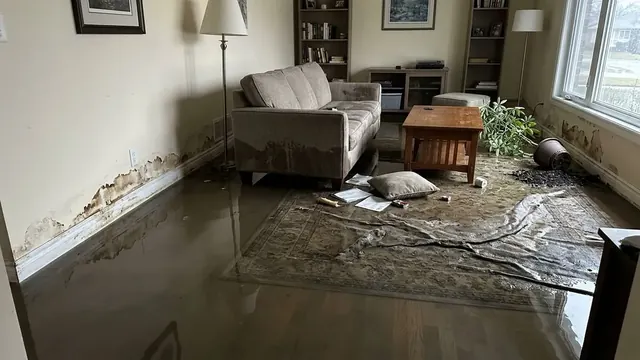
Emergency Water Damage Restoration
Active leaks, flooding and sudden water loss that needs a crew right now.
Explore →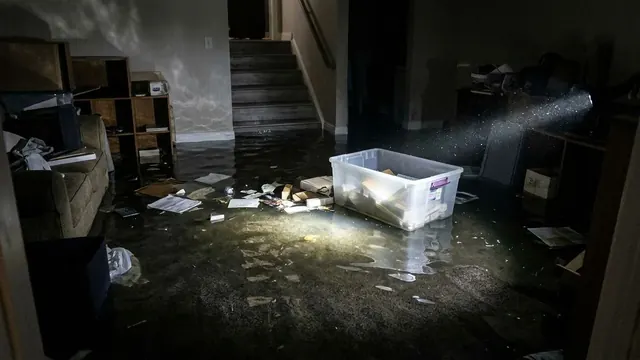
Flood Damage Cleanup
Cleanup, removal and drying after rising water enters a Texas home or business.
Explore →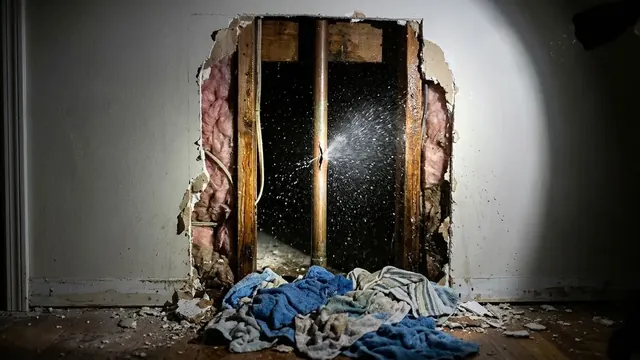
Burst Pipe Water Damage
Cleanup and drying after a frozen, split or failed pipe.
Explore →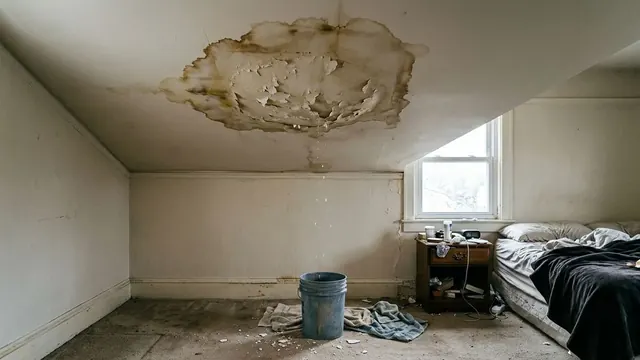
Roof and Ceiling Leak Water Damage
Drying and cleanup after leaks through the roof, attic or ceiling.
Explore →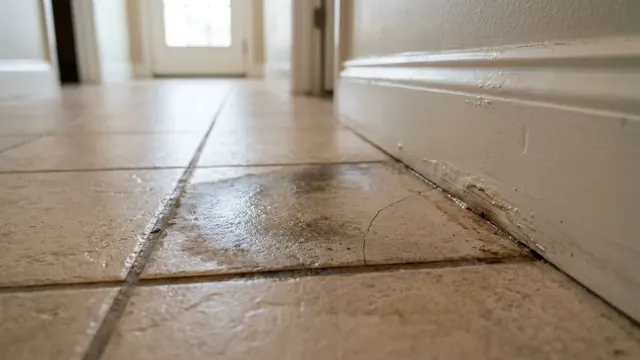
Slab Leak Water Damage
Hidden leaks under a concrete slab that soak floors, baseboards and subfloors.
Explore →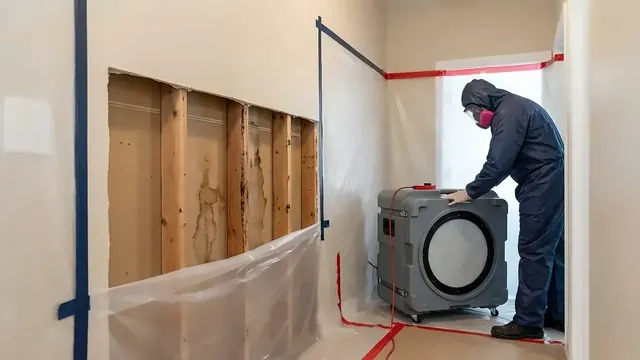
Mold Removal and Remediation
Containment, removal and cleanup of mold after water damage, including black mold.
Explore →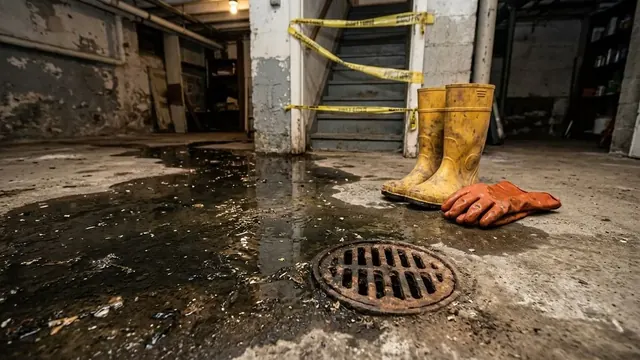
Sewage Backup Cleanup
Safe cleanup after sewage backs up into a home or business.
Explore →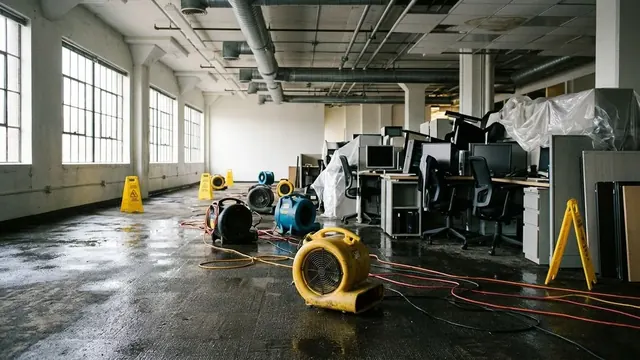
Commercial Water Damage Restoration
Water loss in offices, retail, restaurants, warehouses and multi story buildings.
Explore →Not sure what you need? Start with emergency water damage restoration if water is inside now, or read the first 24 hours checklist.
Water Damage Looks Different in Every Part of Texas
The state is bigger than most countries, and the weather that damages a home in Houston is not the weather that damages one in Amarillo. A crew that knows your region dries your home faster and spots the usual hidden problems.
| Region | Common causes | Busy season | Often needed |
|---|---|---|---|
| North Texas | Hail, shifting clay, freezes, AC overflow | Spring storms, winter | Roof and Ceiling Leak Water Damage |
| Houston and the Gulf Coast | Hurricane rain and surge, bayou flooding, humidity | June to November | Flood Damage Cleanup |
| Central Texas | Flash floods, ice storms, newer plumbing failures | Spring and winter | Frozen Pipes and Winter Storm Damage |
| San Antonio and the Hill Country | Creek flash floods, hail, limestone runoff | Spring and early summer | Storm, Hail and Hurricane Water Damage |
| South Texas and the Rio Grande Valley | Tropical rain, humidity, AC condensate | Summer and fall | AC Leak Water Damage |
| West Texas | Monsoon runoff, flat roofs, rare hard freezes | July to September, winter | Roof and Ceiling Leak Water Damage |
| the Panhandle and South Plains | Hard freezes, hail, playa flooding | Winter and spring | Frozen Pipes and Winter Storm Damage |
| East Texas | Humidity, falling limbs, ice storms, crawl spaces | Spring and winter | Mold Removal and Remediation |
The Pattern Behind the Calls
Texas sits where several weather systems meet. Gulf moisture feeds hurricanes and humid summers on the coast. Cold fronts drive hard freezes down from the Plains, as Winter Storm Uri in February 2021 showed. Spring thunderstorms build hail along a belt that runs from the Panhandle through the metroplex. And clay soils across the state swell and shrink with the seasons, which strains foundations and the pipes under them, a pattern behind many slab leaks.
That variety is why we organize help by place. Pick your region below, or go straight to your city.
North Texas
Dallas, Fort Worth and the metroplex, plus Denton, Sherman and the Red River counties
East Texas
Tyler, Longview area, the Piney Woods and the Louisiana border counties
Houston and the Gulf Coast
Houston, Harris County, Fort Bend, Montgomery, Galveston Bay and the coast
Central Texas
Austin, Round Rock, Georgetown, Waco, Temple and Killeen along the I-35 corridor
San Antonio and the Hill Country
San Antonio, New Braunfels, Seguin, Boerne, Kerrville and the Edwards Plateau
South Texas and the Rio Grande Valley
Brownsville, McAllen, Edinburg, Harlingen and the Rio Grande Valley
West Texas
El Paso, Midland, Odessa and the Permian Basin
The Panhandle and South Plains
Amarillo, Lubbock, Plainview, Canyon and the High Plains
Cities with Their Own Local Guide
Each guide covers the neighborhoods, landmarks, local flood and weather risks and the ZIP codes in our coverage list. We do not have an office at any landmark we mention. We list them so you can see that we know the area.
- Houston
- San Antonio
- Dallas
- Austin
- Fort Worth
- El Paso
- Lubbock
- Amarillo
- Arlington
- Plano
- Irving
- Garland
- Frisco
- McKinney
- Denton
- Katy
- Sugar Land
- Pasadena
- Conroe
- Spring
- Galveston
- Round Rock
- Waco
- Tyler
- Midland
- Odessa
- Killeen
- Brownsville
- McAllen
- Baytown
Do not see your town? Smaller cities and towns are listed on each regional page, and the ZIP code lookup checks all 1,221 ZIP codes. See the full list on Texas service areas.
What to Do in the First Hour of a Water Emergency
The first hour does not need special equipment. It needs a few decisions made calmly.
- Shut off the water. Find the main valve. Many Texas homes have it near the street meter or at the front of the house.
- Think about electricity. If water is near outlets, the panel or a ceiling light, stay out and call an electrician or your utility.
- Take photos and video. Do this before you move anything. Your insurer will ask.
- Call for help. Call your insurer and call us at the same time. You do not have to wait for the adjuster before drying starts.
- Lift what you can. Move small items, prop furniture off wet carpet and open cabinet doors.
Things to skip: using a household vacuum on water, walking under a sagging ceiling and painting over a stain. Our full checklist covers the rest.
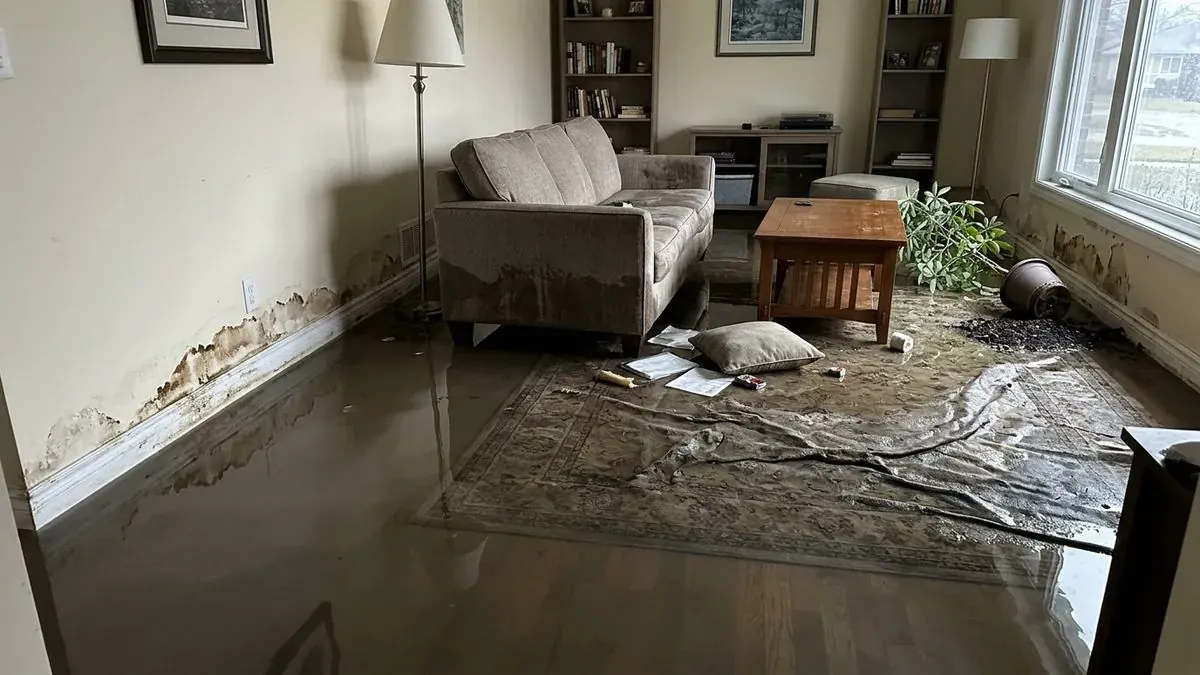
Illustration of a typical loss, not a photo of a real job.
What It Costs and Who Pays
What Changes the Price
The amount of water, how long it sat, what kind of water it was, the rooms and materials affected and the number of drying days. Ask for a written scope. Read the cost guide.
What Insurance Often Covers
Sudden and accidental discharge, such as a burst pipe or a failed water heater, is often covered. Flood from rising water usually needs a separate policy. See the insurance guide.
How to Protect a Claim
Photograph everything, keep receipts, start drying and ask the company for a drying log. Avoid permanent repairs until your insurer has seen the damage.
Find Your Exact Problem
From a bubbling ceiling to a failed washing machine hose, these short answers explain what the symptom usually means and which service fits. The full list is on the problem library page.
What We Are, and What We Are Not
What We Do
- Answer your call and confirm your location
- Connect you with an independent local company that covers your ZIP code
- Publish plain language guides so you know what to expect
What We Do Not Do
- We are not the contractor and we do not do the work
- We do not set or quote the company's prices
- We do not claim licenses, awards or reviews that belong to other companies
Independent companies set their own licenses, insurance, prices and terms. You can read the full referral disclosure and learn how our service works.
Texas Water Damage Questions, Answered
Who Answers When I Call (833) 322-9204?
A call operator for our connection service. You give your ZIP code and what happened, and the operator connects you with an independent local restoration company that covers your area. We do not do the work ourselves.
Do You Cover My City?
Our coverage list has 1,221 ZIP codes across 721 Texas cities. Type your ZIP code in the box at the top of this page, or use the ZIP lookup.
How Fast Will Someone Arrive?
It depends on your location, traffic, the weather and how many crews are working. After a big storm everyone is busy, so call early. The operator gives you the best estimate when you connect.
What Does Water Damage Restoration Cost in Texas?
The independent company sets its own price after seeing your loss, and it should give you a written scope first. Cost follows the amount of water, how long it sat, the materials and the drying days. Here is what changes the price.
Will My Homeowners Insurance Pay?
Many policies cover sudden and accidental discharge, such as a burst pipe, and exclude flood from rising water. Read your policy, photograph the damage and call your insurer. More on Texas insurance.
How Soon Does Mold Start?
In warm, humid conditions mold can begin in 24 to 48 hours on wet drywall, wood and carpet. That is why drying starts as soon as the water is removed.
Can You Help with Fire, Smoke or Sewage?
Yes. We connect you with companies that handle fire and smoke damage, sewage backups and biohazard cleanup, as well as water and mold.
Are You a Contractor?
No. We are an independent connection service. The company that arrives sets its own pricing, license, insurance and terms. See our referral disclosure.
Water Damage Right Now?
Call and give your ZIP code, what happened and whether water is still flowing. We connect you with an independent local company that covers your area.
Where to Verify What You Read Here
Our guides are written for Texas conditions, and they point to public sources so you can check the basics yourself. These sites are independent of us.
- IICRC. The standards body behind the S500 water damage restoration standard.
- Texas Department of Insurance. Consumer help with homeowners claims and complaints in Texas.
- U.S. Environmental Protection Agency: Mold. Federal guidance on mold, moisture and cleanup in the home.
- National Weather Service. Official watches, warnings and forecasts for your county.