How Fast Does Mold Grow
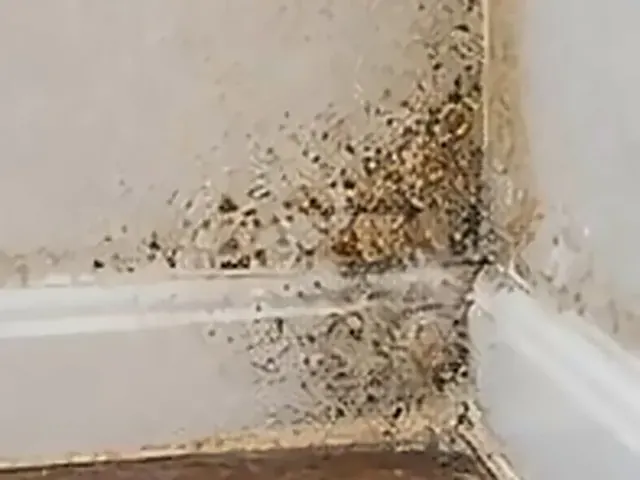
Mold needs moisture, a food source and time. Drywall paper, wood and carpet pad are good food, and Texas heat and humidity speed growth. In a few days a damp area can show visible spots or a musty smell.
Signs to Look for
Musty odor, discolored spots, peeling paint, bubbling drywall and water stains that return are all signs. Hidden mold behind walls and in attics may only show as an odor.
Testing and Licensing
A licensed mold assessor can inspect and sample, and a licensed remediator can do the removal. Texas rules separate the roles. Ask for license numbers and a written plan.
What to Do Now
Fix the moisture source, dry the area and avoid disturbing visible growth. For small spots on hard surfaces, cleaning may be enough. For larger areas, call a professional.
When a Mold Job Is Large
Texas mold rules generally require a licensed professional when growth covers about twenty five contiguous square feet or more. Below that, homeowners often handle small areas themselves with protective gear. Check current rules with the state before deciding.
Hidden Mold Clues
Look behind furniture on exterior walls, under sinks, around window frames, in closets on outside walls and near AC vents. A smell that gets worse when the AC runs points to the attic, air handler or ducts.
Keeping It from Coming Back
Aim for indoor humidity below about fifty percent, use exhaust fans in bathrooms and kitchens, fix leaks within a day or two, keep gutters and downspouts clear and make sure AC drain lines flow freely.
This guide supports our professional water damage restoration in Texas service. If you need help now, call (833) 322-9204.